


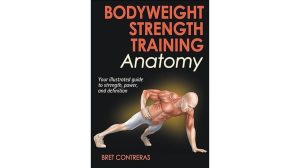
The 'Bodyweight Strength Training Anatomy' book offers detailed illustrations and a wide range of exercises for all fitness levels. It provides personalized routines, progression tips, and variations to challenge different muscle groups effectively. While some users report potential quality issues like loose pages, the book's focus on enhancing workout intensity and creating personalized programs makes it a valuable resource for bodyweight training enthusiasts. To uncover more about its features, benefits, and user experiences, explore the 'Bodyweight Strength Training Anatomy' review for a comprehensive evaluation.
Key Points
- Detailed illustrations aid in targeting muscle groups effectively.
- Provides a wide range of exercises from beginner to advanced levels.
- Offers variations to challenge and strengthen different muscle groups.
- Guides in creating personalized training programs for optimal results.
- Includes tips for increasing workout intensity and progression.
Overview
Providing a comprehensive introduction to bodyweight strength training, the book delves into a wide array of exercises and guidance tailored to individuals seeking to enhance their fitness through bodyweight resistance.
The benefits and effectiveness of bodyweight training are highlighted, emphasizing its ability to improve strength, flexibility, and endurance.
The book offers a variety of exercise variations, ranging from basic to advanced, to target different muscle groups and provide progressive challenges. By incorporating exercise variations, individuals can continually challenge their bodies, prevent plateaus, and achieve well-rounded fitness results.
The effectiveness of bodyweight exercises lies in their versatility, accessibility, and ability to be adapted to different fitness levels, making them a valuable tool for anyone looking to improve their strength and overall health.
Detailed Features
The book's detailed features offer a comprehensive exploration of various exercises, personalized workout routines, and exercise safety considerations within the realm of bodyweight strength training. With a focus on exercise variations and muscle targeting, readers can discover new ways to challenge different muscle groups effectively.
The inclusion of personalized routines and progression tips enables individuals to tailor their training programs to suit their specific fitness goals and levels. By providing insights into how to advance steadily and safely through workouts, the book equips readers with the knowledge needed to make continuous progress in their bodyweight strength training journey.
Incorporating these elements, the book ensures a well-rounded approach to bodyweight training that prioritizes individual needs and fosters growth in strength and overall fitness.
An essential aspect emphasized in the book is the incorporation of progressive overload techniques to optimize muscle development and strength gains in bodyweight training.
Exercise modifications and variations play a crucial role in preventing injuries and ensuring a well-rounded workout routine. By adjusting exercises to suit individual fitness levels and gradually increasing the difficulty, individuals can safely progress while minimizing the risk of strains or other injuries.
The book offers progression tips to guide readers on how to advance from basic movements to more challenging variations, allowing for continuous improvement in muscle strength and endurance.
Understanding how to modify exercises correctly and incorporate different variations not only enhances the effectiveness of the workout but also contributes to long-term fitness success and injury prevention.
Pros and Cons
Readers have found the book insightful, but it also presents certain drawbacks worth considering.
One of the key pros of 'Bodyweight Strength Training Anatomy' is the detailed illustrations of exercises targeting various muscle groups, making it easy for users to understand and perform the movements correctly. The book covers a wide range of exercises from basic to advanced, offering variations to challenge different muscle groups effectively. Additionally, it provides valuable guidance on creating personalized training programs, exercise safety, and tips for enhancing the intensity of bodyweight workouts.
However, some readers have noted cons such as potential issues with the book's quality, including loose pages and binding problems, which could impact its durability over time.
Reviews
Several reviewers have highlighted the book's clear explanations, making it a valuable resource for individuals interested in bodyweight fitness.
International reviews commend the book for its simplicity and usefulness in home workouts. The detailed illustrations and comprehensive workout guidance have been well-received, particularly by those interested in calisthenics and isometric exercises.
Additionally, some reviewers suggest combining the book with gym rings for a more comprehensive workout experience. The book's muscle-targeting diagrams and exercise difficulty guide have garnered praise, offering readers a practical approach to bodyweight strength training.
For those seeking further resources, additional recommendations related to bodyweight training and gymnastics are provided, catering to individuals looking to expand their knowledge and fitness routines.
Overall Thoughts
Upon examining the content and reception of 'Bodyweight Strength Training Anatomy,' it is evident that the book serves as a comprehensive guide for individuals seeking to enhance their fitness through bodyweight training. The workout effectiveness is highlighted through exercise variations that cater to all experience levels, ensuring a well-rounded approach to muscle targeting. Progression techniques are also emphasized, allowing users to continuously challenge themselves and see improvements over time. Below is a table summarizing key aspects of the book:
| Aspects | Highlights |
|---|---|
| Workout Effectiveness | Comprehensive guide for all levels |
| Exercise Variations | Diverse range of exercises offered |
| Muscle Targeting | Clear focus on specific muscle groups |
| Progression Techniques | Structured methods for skill growth |
This structured approach makes 'Bodyweight Strength Training Anatomy' a valuable resource for those looking to progress in their bodyweight training journey.
Frequently Asked Questions
Are There Any Recommended Dietary Guidelines Included in the Book?
The book includes recommended dietary guidelines and nutritional tips to complement bodyweight strength training. These guidelines aim to support overall health, optimize performance, and enhance the effectiveness of the training program by emphasizing proper nutrition.
Does the Book Address Common Injuries Associated With Bodyweight Training?
While the book primarily focuses on exercise descriptions and workout programs, it does not extensively address common injuries associated with bodyweight training. However, it does offer guidance on preventing injuries through exercise modifications and proper form.
Are There Specific Workout Plans Tailored for Different Fitness Levels?
The book offers tailored workout plans for various fitness levels, providing beginner modifications and advanced progressions. It guides individuals on transitioning from foundational exercises to more challenging variations, ensuring a comprehensive approach to bodyweight strength training.
Does the Book Discuss the Importance of Rest and Recovery in Bodyweight Training?
Rest and recovery play a pivotal role in bodyweight training success, with the book emphasizing the significance of quality sleep, active recovery, and mindful downtime. These elements are crucial for optimizing performance and ensuring sustainable progress.
Are There Tips for Incorporating Bodyweight Training Into a Busy Lifestyle?
Incorporating bodyweight training into a busy lifestyle requires strategic time management and maximizing efficiency. Consistency and motivation play vital roles in sustaining this practice. Tips such as setting realistic goals, scheduling workouts, and prioritizing self-care can enhance adherence.
Conclusion
In conclusion, 'Bodyweight Strength Training Anatomy' by Bret Contreras offers a comprehensive and insightful guide to mastering bodyweight exercises.
With detailed illustrations and clear instructions, readers can tailor their workout routines to target specific muscle groups effectively and safely.
This book serves as a valuable resource for individuals of all fitness levels, highlighting the importance of innovation and exercise precision in achieving optimal results in calisthenics and isometric training.
