


Outdoor equipment review
MaxEarn Climbing Harness: Safety Review
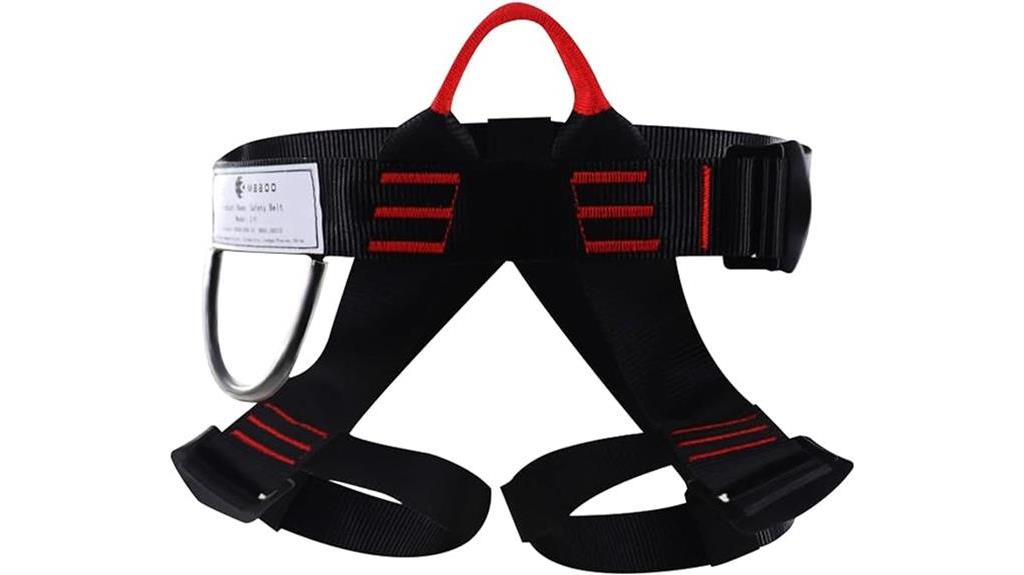
The MaxEarn Climbing Harness, while praised for its affordability and robust construction, carries significant safety risks that merit attention. Constructed from high-strength polyester, this half-body harness integrates adjustable loops and reinforced tie-in points aimed at ensuring comfort and even weight distribution. However, it fails to consistently meet essential CE and EN safety standards, as indicated by numerous reports and user reviews. Concerns range from the potential inadequacy of material strength to withstand advertised forces, to the alarming risk posed to climbers due to unpredictable performance under stress. Understanding the full scope of these safety issues is critical for climbers, especially those prioritizing budget over proven reliability.
Key Points
- MaxEarn Climbing Harness fails to consistently meet CE and EN safety standards.
- Reports indicate potential material failure under advertised load conditions.
- Users have experienced issues with reliability and load capacity during use.
- Lack of verified safety certifications raises significant concerns for climbers.
Overview
The MaxEarn Climbing Harness is designed as a half-body adjustable safety seat belt, intended primarily for activities such as tree and rock climbing, mountaineering, fire rescue, rappelling training, and various outdoor sports.
In terms of harness construction, it features a robust design integrating high-strength polyester material, which enhances durability and user safety. The critical junctions of the harness are reinforced to withstand high stress and strain during intense operations.
However, there are significant concerns regarding its safety certifications. Reports have surfaced about the harness not meeting essential safety standards such as those set by CE and EN.
It is imperative for users seeking freedom in high-risk environments to verify the authenticity of these certifications to ensure maximum safety and reliability.
Detailed Features
Moving beyond the initial overview, let us now examine the specific features of the MaxEarn Climbing Harness that contribute to its functionality and design.
The harness is crafted from high-strength polyester material, renowned for its durability and resistance to wear. This choice in material quality enhances the user experience by ensuring comfort and reliability during extensive use in various climbing conditions.
The harness includes adjustable leg loops and a waist belt, allowing for a tailored fit that accommodates different body sizes and layers of clothing. Additionally, reinforced tie-in points aim to increase safety by distributing weight evenly.
These design elements collectively aim to provide a balance of safety, comfort, and freedom of movement, crucial for the climbing enthusiast.
Despite its robust design, the MaxEarn Climbing Harness has raised significant safety concerns that potential buyers should consider before making a purchase.
Reports indicate that some units failed to meet crucial climbing regulations, potentially compromising user safety.
Specifically, inconsistencies with CE and EN certification suggest that the harness might not withstand the forces it advertises, posing serious risks during climbing activities.
These findings are alarming, especially given the harness’s popularity among budget-conscious climbers.
It is essential for consumers to be vigilant, questioning the validity of safety certifications presented by manufacturers.
Climbers must prioritize their safety by selecting equipment that not only aligns with their budget but also strictly adheres to established safety standards.
Pros and Cons
Evaluating the MaxEarn Climbing Harness involves a detailed analysis of its advantages and drawbacks.
Among the pros, the harness is celebrated for its affordability and robust construction, offering a cost-effective solution for enthusiasts of outdoor climbing sports. Its adjustable waist and hip belts enhance comfort and versatility, accommodating various body types.
However, the cons are significant and concerning. The harness has been flagged for not meeting essential safety standards, such as the CE and EN certifications, with some units failing under less than the advertised load. This lack of reliable certification raises serious safety concerns, making it unsuitable for professional use and potentially hazardous for personal use in rigorous climbing environments.
Reviews
Customer reviews of the MaxEarn Climbing Harness offer further insight into its performance and reliability from a user perspective.
Analyzing user feedback reveals a mixed response. Some climbers appreciate the harness’s affordability and comfort during extended use, highlighting positive user experiences particularly in casual climbing scenarios.
However, numerous concerns are raised regarding the harness’s safety credentials. Detailed reviews repeatedly question the authenticity of the safety certification, with users sharing alarming experiences of material failure under less than maximum advertised load.
These firsthand accounts contribute significantly to the overall understanding of the product’s reliability, urging potential buyers to approach with caution and prioritize verified quality over cost savings when it comes to safety equipment.
Overall Thoughts
Considering the mixed reviews, reported safety concerns, and questionable certification claims, the MaxEarn Climbing Harness presents significant risks that overshadow its affordability and comfort features. The analysis of user experiences and safety standards paints a concerning picture, urging potential buyers to prioritize rigorous safety over cost savings.
| Aspect | Evaluation |
|---|---|
| Safety Standards | Not consistent |
| User Experiences | Mixed feedback |
| Certification | Questionable |
| Price vs. Safety | High risk |
Frequently Asked Questions
How Does Maxearn Handle Quality Control Issues?
MaxEarn’s approach to handling quality control issues involves implementing stringent quality assurance practices and adhering to established manufacturing standards to ensure product reliability and safety, fostering trust and freedom of use among consumers.
Are There Alternative Products With Better Safety Ratings?
Yes, numerous alternative climbing gear options exist with superior safety ratings. Conducting detailed safety rating comparisons reveals brands like Petzl and Black Diamond as reliable choices, embodying freedom through enhanced security and performance.
What Are the Consequences of Using Non-Compliant Gear?
Using non-compliant gear increases the likelihood of gear failure, exposing users to significant safety risks including serious injury or death. Ensuring compliance with safety standards is crucial to mitigate these potential consequences.
How Do I Report a Safety Concern About This Harness?
To report safety concerns about the harness, contact the retailer and manufacturer directly, detailing deviations from safety standards and customer feedback. Consider also notifying regulatory bodies that oversee product safety compliance in your region.
Can This Harness Be Used for Professional Climbing Competitions?
The MaxEarn Climbing Harness does not align with competition regulations and lacks professional endorsements, making it unsuitable for use in professional climbing competitions where compliance with stringent safety standards is paramount.
Conclusion
In conclusion, the MaxEarn Climbing Harness, despite its appeal in terms of cost and functionality, presents significant safety concerns due to non-compliance with CE and EN certification standards.
This analysis underscores the imperative for consumers and retailers alike to prioritize certified equipment, particularly in high-stakes activities such as climbing and rescue operations.
Upholding stringent safety standards not only protects users but also fortifies the credibility and reliability of the outdoor adventure gear market.
Affiliate disclosure: Some links on this page may earn Slackline.co.uk a commission at no extra cost to you. Price and availability can change.